
The Next Generation of Molecular Scissors
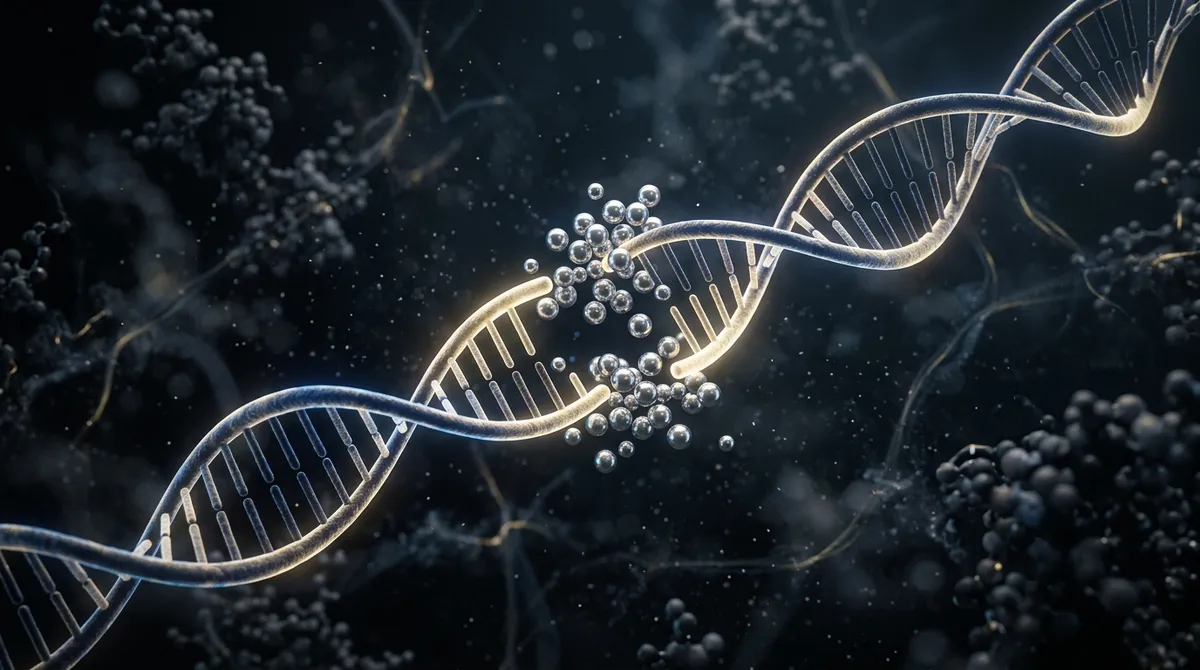
Scientists in Japan have developed a groundbreaking approach to genetic engineering that could transform how we manipulate DNA. According to reports, researchers have created a silver nanoparticle-based method that cuts DNA at targeted sites while creating longer "sticky ends," dramatically improving the efficiency of DNA assembly processes.
This innovation represents a significant leap forward in the molecular toolkit used for genetic engineering, offering precision that surpasses conventional restriction enzyme methods by two to five times in assembly efficiency.
Why Sticky Ends Matter in DNA Engineering
The key to this breakthrough lies in understanding how DNA fragments connect. When DNA is cut, it creates what scientists call "sticky ends" – single-stranded overhangs that can bond with complementary sequences on other DNA fragments. The longer these sticky ends, the more stable and efficient the connection between DNA pieces becomes.
Traditional restriction enzymes, while reliable, have limitations in creating the optimal length of sticky ends for complex DNA assembly projects. The silver nanoparticle method addresses this limitation by providing more precise control over where cuts are made and how the resulting fragments are structured.
Implications for Modern Medicine and Biotechnology
This technological advancement comes at a crucial time when multiple fields are experiencing rapid growth. Gene therapy, cancer vaccines, synthetic biology, and genome-scale DNA engineering are all accelerating, creating an urgent need for more precise and efficient DNA assembly tools.
According to reports, the improved efficiency offered by silver nanoparticles could remove a major technical bottleneck that has limited progress in these areas. The ability to assemble DNA fragments more reliably and efficiently opens doors to more complex genetic engineering projects that were previously challenging or impractical.
From Simple Assembly to Genome-Scale Construction
The implications extend far beyond traditional two-fragment DNA assembly. As the field moves toward genome-scale construction – essentially building entire genetic systems from scratch – the precision and efficiency gains become even more critical.
The silver nanoparticle approach represents what researchers describe as next-generation DNA cutting tools that could make genetic engineering cleaner, faster, and more scalable. This scalability is particularly important as scientists work on increasingly ambitious projects in synthetic biology and personalized medicine.
Technical Innovation Meets Practical Applications
What makes this development particularly significant is how it addresses real-world challenges in genetic engineering. Current methods, while functional, often require multiple attempts to achieve successful DNA assembly, particularly when working with complex constructs or multiple fragments.
The two to five-fold improvement in assembly efficiency reported with the silver nanoparticle method could translate to substantial time and cost savings in research and therapeutic development. For laboratories working on gene therapy protocols or cancer vaccine development, this efficiency gain could accelerate the path from concept to clinical application.
Looking Toward the Future of Genetic Engineering
As genetic engineering continues to evolve from experimental technique to mainstream therapeutic approach, innovations like silver nanoparticle-based DNA cutting tools become increasingly valuable. The precision and efficiency offered by this method align with the growing demand for reliable, scalable genetic engineering solutions.
The development represents more than just an incremental improvement – it's a fundamental advancement in the molecular scissors and glue toolkit that scientists use to manipulate genetic material. As gene therapy, synthetic biology, and personalized medicine continue to advance, tools that can keep pace with these ambitious applications become essential.
This breakthrough from Japanese researchers demonstrates how nanotechnology and genetic engineering can converge to create solutions that address current limitations while opening possibilities for future applications in medicine and biotechnology.